AVLYNOR · FLAGSHIP PRODUCT

TETHER

One check-in. One guardian. Zero friction.

A clinical companion app for post-discharge patients — plain-language recovery plans, daily check-ins, and a research program investigating whether voice can provide an earlier signal of deterioration.

<30s
of your day, daily
27
languages supported
0
new hardware required

No account needed — open the demo and tap Demo doctor or Demo patient to sign in.

Illustrative example — not real patient data · not a validated clinical output
Tether Biomarker Engine
Patient p-1043 · Day 6 · vps-2.9.0
SIGNAL OK
Recovering normally. Within clinical range across the 3-task voice protocol. No nurse action required.

Healthy Voice Index

STABLE
84/ 100

Vocal biomarkers

Jitter0.62 %
Shimmer3.10 %
HNR21.4 dB
CPPS14.8 dB
F0 mean192 Hz
Speech rate4.2 syll/s

Condition risk

Respiratory infectionNORMAL
Voice dysphoniaNORMAL
Cardiovascular stressMONITOR
Sleep-breathingNORMAL
POST /analyze · sample 14/30 · 18.4 s

Tether in 37 seconds

The 72-hour black hole

Every year, hundreds of thousands of patients survive surgery, then quietly deteriorate at home. Discharge is a "send and pray" event. Within hours, patients forget much of their instructions — studies report 40–80% of medical information is forgotten immediately (Kessels, J R Soc Med, 2003). Most apps assume health literacy that recovering patients (elderly, medicated, exhausted) simply do not have.

The result: roughly one in six patients is readmitted within 30 days (Jencks et al., NEJM 2009). Not because surgery failed. Because the safety net collapsed the moment they walked out the door.

40–80%
of instructions forgotten immediately (Kessels 2003)
~1 in 6
readmitted within 30 days (Jencks et al., NEJM 2009)

The human voice
is a biological sensor

When fluid builds in the lungs, it increases pressure on the larynx. We are researching whether the resulting acoustic changes may correlate with early physiological deterioration — and whether a short daily voice sample could one day support earlier clinical review. This is an active research program, not yet a validated clinical capability.
01
Baseline calibration
A nurse records a 30-second voice fingerprint before the patient leaves the hospital. The baseline is calibrated to the patient's home noise environment, so every future reading is compared against the patient, not against a generic population.
02
Passive home monitoring
The patient speaks naturally for 15 seconds each morning. No form. No typing. No app friction. Designed from the ground up for elderly, low-literacy, post-anaesthesia users who cannot navigate a clinical questionnaire.
03
Raw audio never stored · Shredder Protocol
A Rust-WASM edge engine can analyse acoustic features entirely on-device; in the current build, clips are processed in memory on EU-resident infrastructure and immediately deleted after analysis. Raw audio is never stored — only derived measurements are retained. Privacy by design, not by promise.
04
Nurse Navigator dashboard
A Live Recovery Score per patient: green is stable, amber is monitor, red is call now. One nurse can monitor far more patients than traditional daily phone follow-up, because she only acts on the patients who actually need her.
05
Sentinel Alert · research direction
Today, alerts fire from red-flag answers, worsening trends, and missed check-ins — with acknowledgement deadlines and automatic escalation to a backup clinician. In parallel, we are researching whether acoustic changes could eventually support earlier clinical review. That capability is under development and not yet clinically validated.

Built for everyone
in the loop

Patients

Supported without being overwhelmed. 15 seconds a day, nothing more. No forms. No login battles. No "is this serious?" guessing.

Nurses

Act only when an alert fires. No routine call-arounds. No burnout admin. The dashboard tells you exactly which patient needs you, and why.

Hospitals

Stop absorbing avoidable readmission costs. Free up beds. Comply with national post-discharge policy, measurably.

Every competitor was
built for the wrong continent

Most remote-monitoring platforms are cloud-heavy, English-only, hardware-dependent, and built for US private insurance. Tether is designed from the first line of code for Nordic public healthcare.

Feature Tether Typical RPM platforms
Raw audio never stored · only derived measurements retained✓✕
No hardware required✓✕
27-language support✓✕
Privacy by design · EU-resident patient data✓✕
Guardian NLP plain-language translation✓✕
Patient compared to their own baseline, not a population average✓✕

The moat is not a single feature. It is a stack of decisions that competitors cannot copy quickly.

Team Avlynor

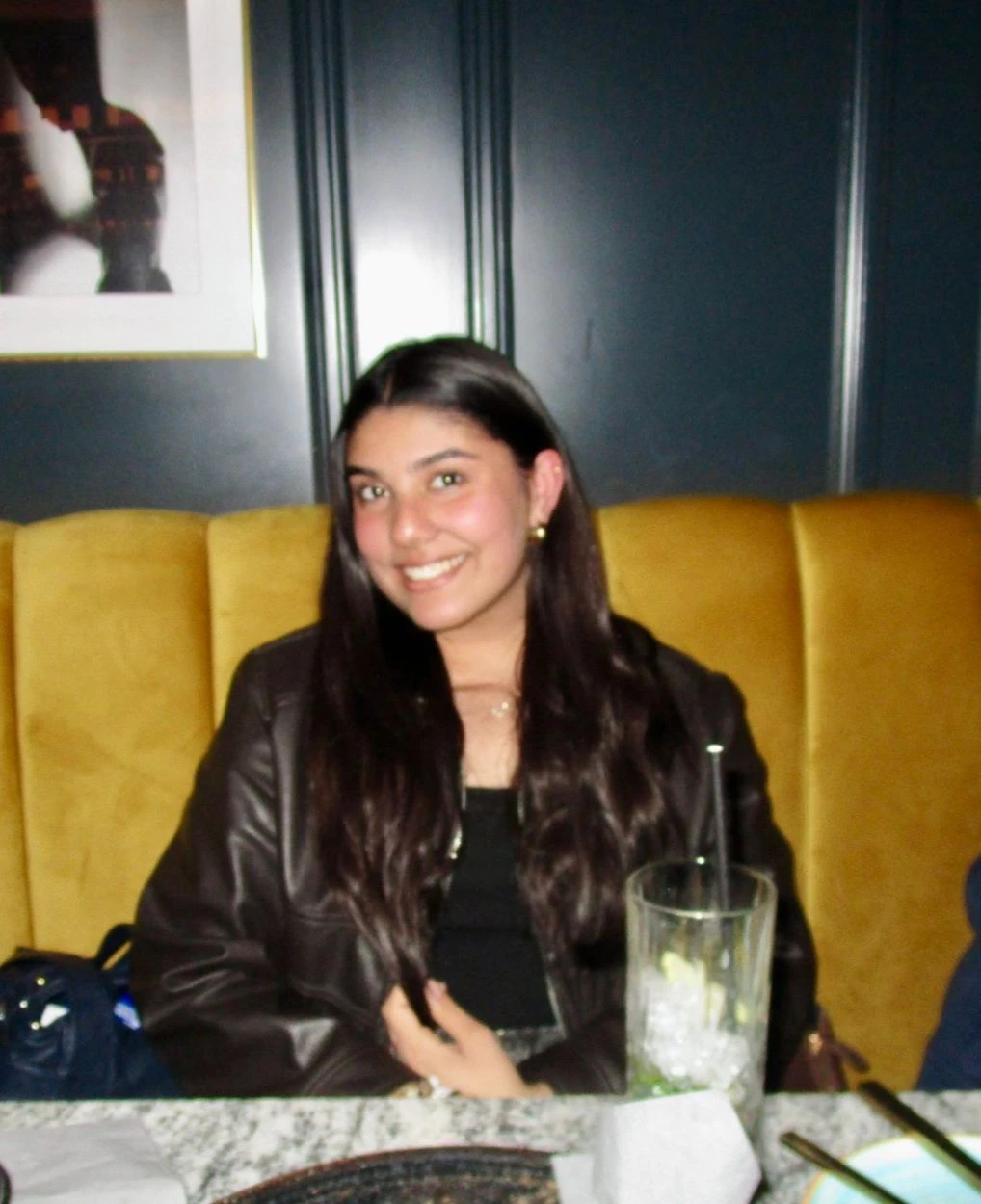
Nitya Mahelay
Nitya Mahelay
Founder · CEO
Kar Yan Su
Kar Yan Su, PhD
Co-founder · CSO
Arhan Harchandani
Arhan Harchandani
Co-founder · CTO

Bring Tether to your discharge ward.

For Nordic hospitals, regional health authorities, and insurers. We will set up a 30-minute call to walk through the engine, the dashboard, and a pilot proposal tailored to your operating context.